

When people hear the word “budget,” many immediately think of restrictions, sacrifice, and saying no. Budgeting often gets a bad reputation as a financial diet, a set of rules designed to limit enjoyment and eliminate spontaneity.
In reality, successful budgeting is neither punishment nor deprivation. It’s a tool that helps people align their spending with their goals and values. The best budgets don’t prevent people from living their lives; they empower them to do so with greater confidence and less financial stress.
That’s why budgeting is both an art and a science. The science lies in the numbers, calculations, and tracking systems. The art lies in understanding human behavior, building sustainable habits, and creating a plan that works in the real world.
Whether you’re trying to save for a major purchase, pay down debt, build an emergency fund, or simply gain more control over your finances, learning how to budget—and stick to that budget—can be one of the most valuable financial skills you’ll ever develop.
Why Budgeting Matters
At its core, a budget is simply a plan for your money. Without a plan, it’s easy for spending to happen automatically. Small purchases add up, subscriptions renew unnoticed, and financial goals often get pushed to “someday.” A budget helps answer three important questions:
- How much money is coming in?
- Where is the money going?
- Is spending aligned with personal priorities and goals?
People who budget are often better positioned to handle unexpected expenses, reduce financial anxiety, and make progress toward long-term objectives. Just as importantly, budgeting provides visibility. It’s difficult to improve financial habits when you don’t know what’s happening with your money in the first place.
The Science: Understanding Your Numbers
The first step in any budgeting process is gathering accurate information. Start by calculating your monthly income. This includes paychecks, freelance income, side hustles, investment income, or any other regular sources of money. Next, review expenses. Most expenses fall into three categories:
Fixed Expenses
These expenses typically stay the same each month and may include:
- Rent or mortgage payments
- Insurance premiums
- Loan payments
- Internet service
- Cell phone bills
Variable Expenses
These expenses fluctuate from month to month and often include:
- Groceries
- Gas
- Utilities
- Dining out
- Entertainment
Financial Goals
This category includes money allocated toward the future, such as:
- Emergency savings
- Retirement contributions
- Debt repayment
- College savings
- Vacation funds
By understanding these categories, people gain a clearer picture of where adjustments can be made without sacrificing essentials.
Popular Budgeting Methods
There is no single “best” budgeting system. The right method depends on an individual’s personality, lifestyle, and financial goals.
The 50/30/20 Budget
One of the most popular approaches is the 50/30/20 rule. Under this framework:
- 50% of income goes toward needs
- 30% goes toward wants
- 20% goes toward savings and debt repayment
This method is simple and flexible, making it a great starting point for beginners.
Zero-Based Budgeting
With zero-based budgeting, every dollar is assigned a purpose. Income minus expenses equals zero—not because all the money is spent, but because every dollar has been intentionally allocated to spending, saving, or investing. This method creates maximum awareness and control over spending.
The Envelope Method
Traditionally, the envelope system involved placing cash into labeled envelopes for categories such as groceries, dining, or entertainment. Once an envelope was empty, spending in that category stopped until the next month. Today, many budgeting apps replicate this concept digitally.
Pay Yourself First
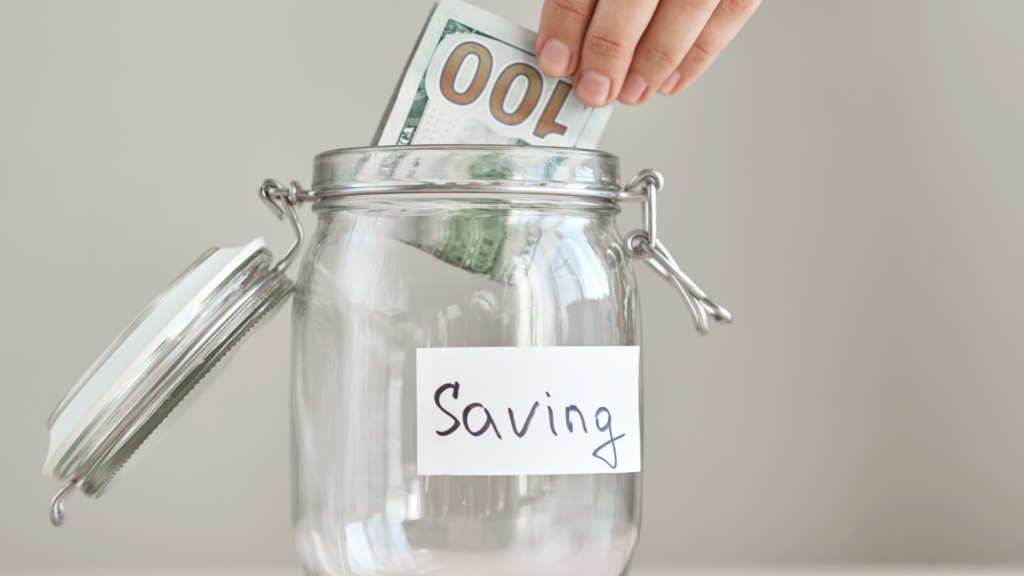
Rather than saving whatever is left over at the end of the month, this strategy prioritizes savings from the beginning. As soon as income arrives, a predetermined amount is automatically transferred into savings or investment accounts. This approach helps ensure financial goals remain a priority.
Different Ways to Track Your Money
Creating a budget is only half the battle. Consistently tracking spending is what makes the budget effective. Fortunately, there are more options than ever before.
Budgeting Apps
Many people prefer mobile apps that automatically connect to bank accounts and categorize transactions. Benefits include:
- Real-time spending updates
- Automated tracking
- Spending alerts
- Goal monitoring
These tools can simplify the budgeting process and reduce manual effort.
Spreadsheets
For those who enjoy customization and detailed analysis, spreadsheets remain a powerful option. Spreadsheets allow users to create custom categories, monitor trends over time, and analyze spending patterns. Many free templates are available online for beginners.
Pen and Paper
Sometimes simplicity wins. Writing expenses down manually can create greater awareness and encourage mindful spending. This method may be especially effective for individuals who feel disconnected from digital transactions.
Weekly Money Check-Ins
Regardless of the tracking method used, scheduling a weekly review can make a significant difference. A 10- to 15-minute money check-in allows people to review spending, adjust categories if necessary, monitor progress toward goals, and catch problems before they become larger issues. Consistency matters more than complexity.
The Art: Making Your Budget Realistic
Many budgets fail because they are built around ideal behavior rather than actual behavior. A successful budget must reflect reality.
If someone enjoys dining out, eliminating restaurants entirely may work for a week or two—but likely won’t be sustainable. Instead, budgeting a reasonable amount for dining out can create a healthier balance between financial responsibility and quality of life. The goal is not perfection. The goal is progress.
Build Flexibility Into the Plan
Life is unpredictable. Car repairs happen. Friends get married. Invitations appear unexpectedly. Including a miscellaneous or “life happens” category can prevent these surprises from completely derailing a budget. Flexibility helps transform budgeting from a rigid system into a practical tool.
Leave Room for Fun
One of the biggest budgeting mistakes is treating enjoyment as unnecessary. People are more likely to stick with a budget when it includes money for activities they enjoy. That might include streaming services, concerts, weekend outings, hobbies, and travel. A budget that allows for occasional fun is often more sustainable than one built entirely around restriction.
Why People Struggle to Stick to a Budget
Knowledge alone does not change behavior. Most people already know they should spend less and save more. The challenge is consistently acting on that knowledge. Several common obstacles can derail even the best budgeting intentions.
Emotional Spending
Stress, boredom, excitement, and frustration can all influence purchasing decisions. Recognizing emotional triggers can help individuals pause before making impulse purchases.
Lifestyle Inflation
As income increases, spending often rises alongside it. While some lifestyle improvements are reasonable, automatically increasing spending can make it difficult to build wealth over time.
Unrealistic Expectations
Expecting immediate perfection can lead to discouragement. Budgeting is a skill, and like any skill, it improves through practice. Mistakes should be viewed as learning opportunities rather than failures.
Practical Strategies for Staying on Track
Building a budget is important, but maintaining it requires ongoing effort. Here are several strategies that can improve long-term success:
Automate Good Decisions
Set up automatic transfers for savings accounts, retirement contributions, and debt payments. Automation reduces reliance on willpower.
Start Small
Trying to change every financial habit at once can feel overwhelming. Instead, focus on one improvement at a time, such as saving an extra $50 per month or reducing restaurant spending. Small wins build momentum.
Celebrate Progress
Financial goals often take months or years to achieve. Recognizing milestones along the way helps maintain motivation. Celebrate paying off a credit card balance, reaching a savings target, or completing several months of consistent budgeting.
Review and Adjust Regularly
A budget should evolve as life changes. New jobs, family circumstances, financial goals, and economic conditions may require adjustments. The most effective budgets are not static documents—they are living plans.
Budgeting is About Freedom, Not Restriction
Perhaps the biggest misconception about budgeting is that it limits freedom. In reality, budgeting creates freedom.
It provides the confidence to spend money on things that matter most because those spending decisions are intentional rather than accidental. A well-designed budget doesn’t require people to eliminate everything they enjoy. Instead, it helps them make informed choices, prioritize goals, and create a healthier relationship with money.
When people combine accurate tracking and realistic expectations, they create a financial plan they can actually maintain. And that’s where lasting financial success begins: not with perfection, but with consistency.